



In August 2026, the Financial Accounting Standards Board proposed new guidance intended to clarify when certain digital assets, including stablecoins, can qualify as cash equivalents under U.S. accounting rules. The proposal highlights a practical challenge facing companies adopting digital financial instruments: an asset that functions like digital cash does not automatically receive the accounting treatment of cash.
For Maor Mama, CPA (Israel), this is more than a technical debate. As VP of Accounting and Corporate Controller at Triumph Labs, a venture-backed gaming and digital entertainment company, he works at the intersection of financial reporting, emerging business models and the systems required to make complex transactions understandable to auditors, executives and investors.
The question of how to classify a stablecoin illustrates why that combination of expertise matters. Its treatment can affect a company’s balance sheet, cash flow statement and reported liquidity. The answer depends on the instrument’s characteristics, contractual rights and the accounting principles that apply – not simply on whether its value is pegged to a conventional currency.
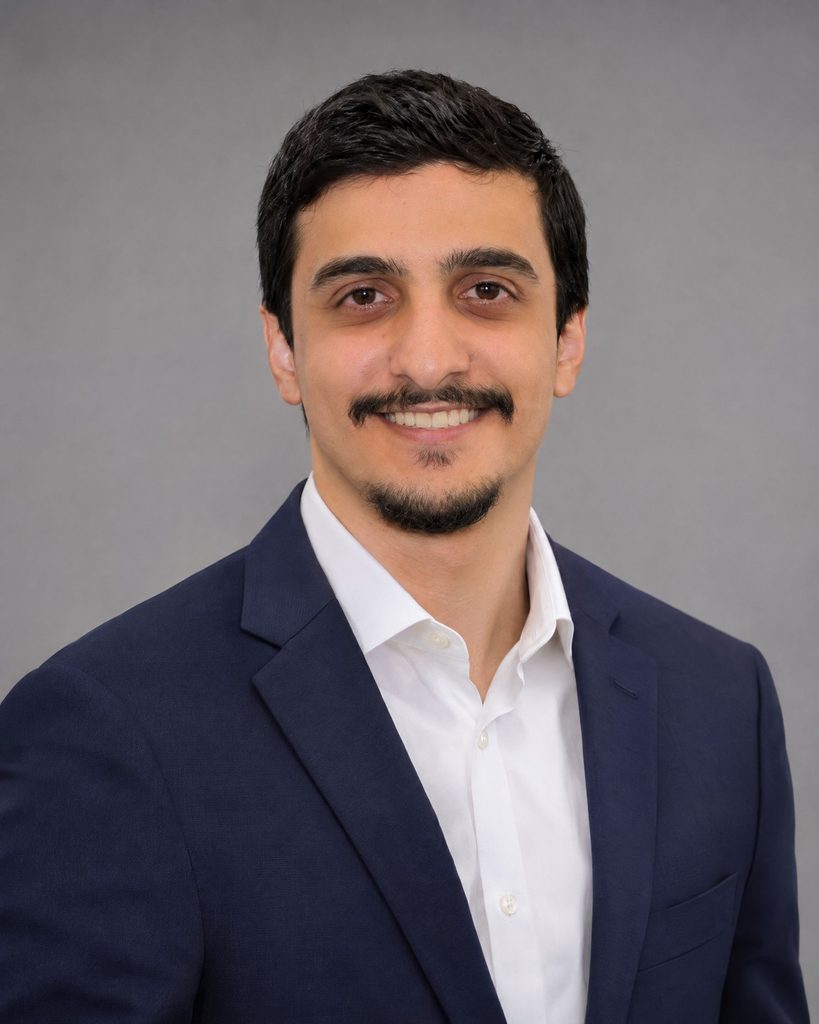
Mama addressed these issues in a July 2026 keynote, Triumph: Stablecoins in Accounting & Finance , at Chicago Stablecoin Day. His work also reflects a broader professional interest: resolving accounting questions for which established industry practice offers few ready-made answers.
Building an answer where precedent is limited
At Triumph Labs, Mama developed a revenue recognition framework under ASC 606 for a business model without established industry precedent. The work required examining what customers were buying, when the company fulfilled its obligations, and whether it acted as principal or agent in different transactions.
Rather than relying on an existing industry template, he reasoned from the standard’s underlying principles and documented the alternatives considered, the conclusions reached and the rationale behind them.
That approach draws on experience across auditing, accounting advisory and corporate finance. Mama spent more than five years at Deloitte, working first in Israel’s audit practice and later in U.S. accounting and reporting advisory. His assignments included revenue recognition, leases, financial instruments, business combinations and complex financial reporting.
He also spent approximately a decade teaching mathematics, accounting and statistics. Explaining technical concepts to students, he says, strengthened his ability to identify weaknesses in an argument and communicate difficult ideas to people without an accounting background.
Making innovation accountable
The challenge for companies developing new products is not simply to establish how transactions should be recorded. They must also create repeatable processes that allow those judgments to withstand external scrutiny.
Since joining Triumph Labs in January 2026, Mama has expanded its finance function from one accountant to seven people and helped establish the policies, controls and systems supporting its growth. He reports that the monthly financial close has shortened from approximately 30 calendar days to five to seven business days.
The work illustrates a less visible aspect of digital innovation. New financial products can emerge faster than accounting conventions evolve, but businesses still need reliable reporting to raise capital, complete audits and prepare for potential public-market scrutiny.
As stablecoins and software-driven business models become more prominent in corporate finance, professionals who can combine technical accounting judgment with practical financial infrastructure will have an important role in determining how that innovation is measured – and whether its financial results can be trusted.
The post The Stablecoin Accounting Question: Why Digital Finance Needs a New Kind of Financial Expertise appeared first on BlockchainReporter .