

How Hormuz Safe Operated
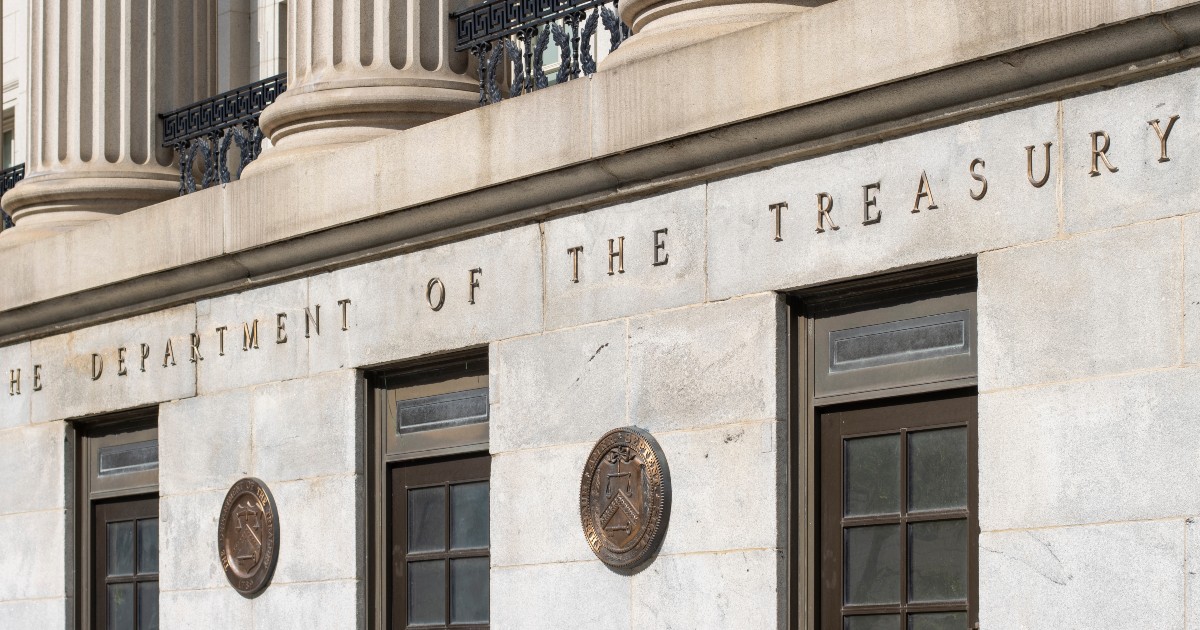
The Treasury Department named Hormuz Safe as a platform that openly solicited bitcoin and other digital assets to insure vessels transiting the Strait of Hormuz, according to the original report . The service was allegedly built to support shipping interests controlled by the Islamic Revolutionary Guard Corps (IRGC), which the U.S. has long sanctioned. By taking crypto, the platform attempted to bypass the traditional financial rails that would normally block such transactions.
This is not a simple case of a darknet market. Hormuz Safe functioned as an insurance intermediary, something that legitimate shipping companies rely on to protect cargo and hulls. The decision to accept bitcoin turns a routine financial service into a sanctions-evasion tool. For exchanges and custodians, it raises the stakes on monitoring for entities that might be using digital assets to underwrite geopolitical risks.
Growing Pattern of Crypto Sanctions Enforcement
OFAC has designated crypto addresses and platforms before, from Russian darknet markets to Iranian ransomware groups, but this action targets a service embedded in one of the world’s most critical energy chokepoints. The Strait of Hormuz handles roughly a fifth of global oil flows, and any financial infrastructure tied to it becomes a national security concern. The Treasury’s move signals that crypto used in maritime trade, even in forms that mimic conventional insurance, will draw attention.
Meanwhile, U.S. legislators are wrestling with a far-reaching crypto framework bill that has drawn opposition from traditional banks, as reported by BlockchainReporter in a recent article on the Senate vote . The dual pressures of enforcement actions like this and the legislative struggle reveal a government still calibrating how to control crypto’s role in illicit finance without strangling innovation. The Hormuz Safe case gives enforcement agencies a tangible example to argue for tighter compliance obligations on virtual asset service providers.
What the Market Will Watch Next
Compliance teams at major exchanges are likely to scrutinize any wallet addresses linked to the designated entity. While bitcoin’s transparent ledger makes tracing funds possible, the platform may have already moved assets through mixers or layered transactions. Whether substantial volumes were insured before the Treasury moved remains an open question. The real risk for the industry is not a single designation but the precedent it sets for treating crypto-denominated insurance as a sanctions violation.
Another unknown is how Iran will respond. The IRGC has previously leaned on crypto to fund operations, and blocking one platform rarely stops the flow. It simply pushes the activity deeper underground. Still, the designation makes it harder for any legitimate shipping participant to interact with the platform, shrinking its operational surface.
The action lands at a moment when tokenized real-world assets are attracting billions in institutional capital, as detailed in a recent BlockchainReporter roundup . The contrast between that trend and the continued use of crypto for sanctions evasion is stark. It reminds the market that while blockchain’s transparency can be a check on abuse, it also demands a level of diligence that many participants are not yet accustomed to.