Elon Musk
@elonmusk
RT
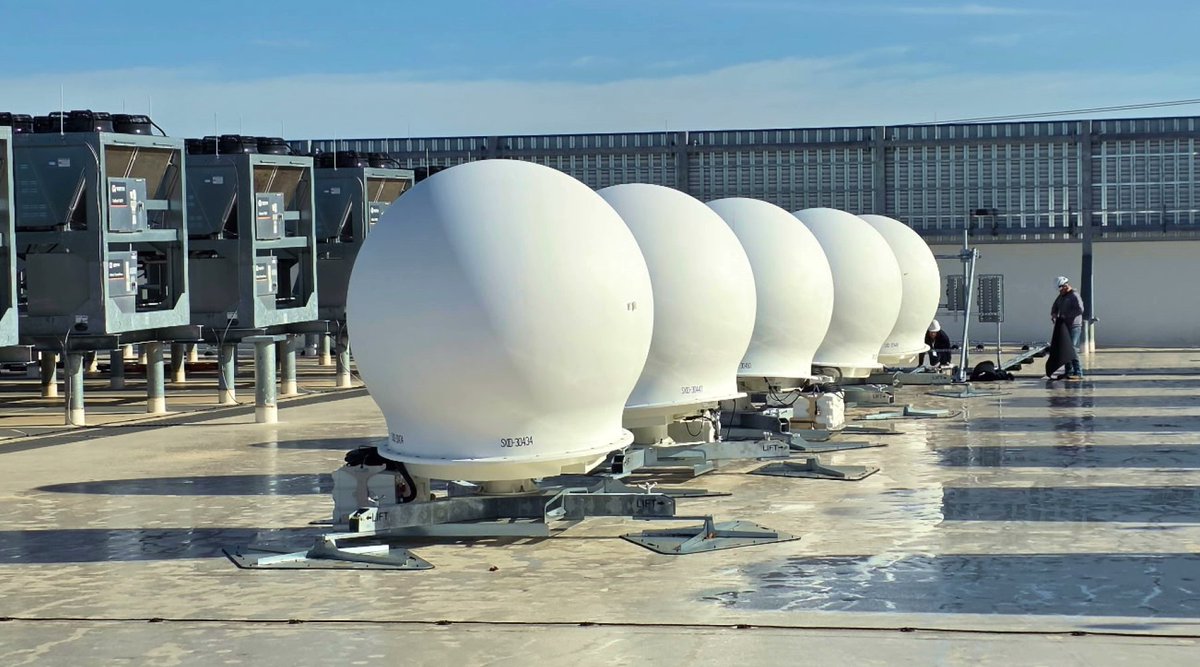
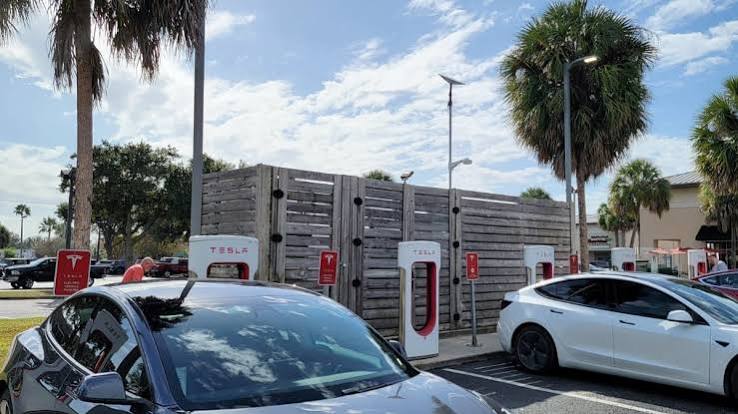
@SERobinsonJr: STARLINK: SpaceX plans to build its terrestrial cellular network by placing small cellular radios, femtocells, inside or next to existing Starlink dishes on a limited number of rooftops, Gateways, and Tesla Superchargers. Basically turning a subset of its existing Starlink installations into a distributed small-cell network that phones can use directly. Here is how it works: - Hardware: SpaceX will add a small cellular radio unit to some existing dishes. The unit uses the terrestrial spectrum SpaceX is acquiring from EchoStar (about 65 MHz). - Coverage: These units act as low-power cell sites. A regular phone in the area connects over the air to the nearest rooftop radio the same way it connects to a normal cell tower today. No special hardware on the phone is needed. - Density: SpaceX only needs enough host sites to create usable coverage in a given area. It eliminates the need to lease traditional macro towers. - Backhaul: Th
@SERobinsonJr: STARLINK: SpaceX plans to build its terrestrial cellular network by placing small cellular radios, femtocells, inside or next to existing Starlink dishes on a limited number of rooftops, Gateways, and Tesla Superchargers. Basically turning a subset of its existing Starlink installations into a distributed small-cell network that phones can use directly. Here is how it works: - Hardware: SpaceX will add a small cellular radio unit to some existing dishes. The unit uses the terrestrial spectrum SpaceX is acquiring from EchoStar (about 65 MHz). - Coverage: These units act as low-power cell sites. A regular phone in the area connects over the air to the nearest rooftop radio the same way it connects to a normal cell tower today. No special hardware on the phone is needed. - Density: SpaceX only needs enough host sites to create usable coverage in a given area. It eliminates the need to lease traditional macro towers. - Backhaul: Th
@SERobinsonJr
STARLINK: SpaceX plans to build its terrestrial cellular network by placing small cellular radios, femtocells, inside or next to existing Starlink dishes on a limited number of rooftops, Gateways, and Tesla Superchargers.
Basically turning a subset of its existing Starlink installations into a distributed small-cell network that phones can use directly.
Here is how it works:
- Hardware: SpaceX will add a small cellular radio unit to some existing dishes. The unit uses the terrestrial spectrum SpaceX is acquiring from EchoStar (about 65 MHz).
- Coverage: These units act as low-power cell sites. A regular phone in the area connects over the air to the nearest rooftop radio the same way it connects to a normal cell tower today. No special hardware on the phone is needed.
- Density: SpaceX only needs enough host sites to create usable coverage in a given area. It eliminates the need to lease traditional macro towers.
- Backhaul: The same Starlink satellite link that already serves the dish can carry the cellular traffic back to the core network, or local fiber can be used where available.
- Cost: The approach avoids the high cost and slow permitting of conventional cell towers. SpaceX says this keeps upfront capital spending far lower than a traditional carrier buildout. Commercial service is targeted for the end of 2027.
More Starlink news in today's EC below!