

The post Belarus Blocks Access to Foreign Crypto Platforms, But Where Does Russia Stand? appeared first on Coinpedia Fintech News
Belarus just pulled its crypto market inward.
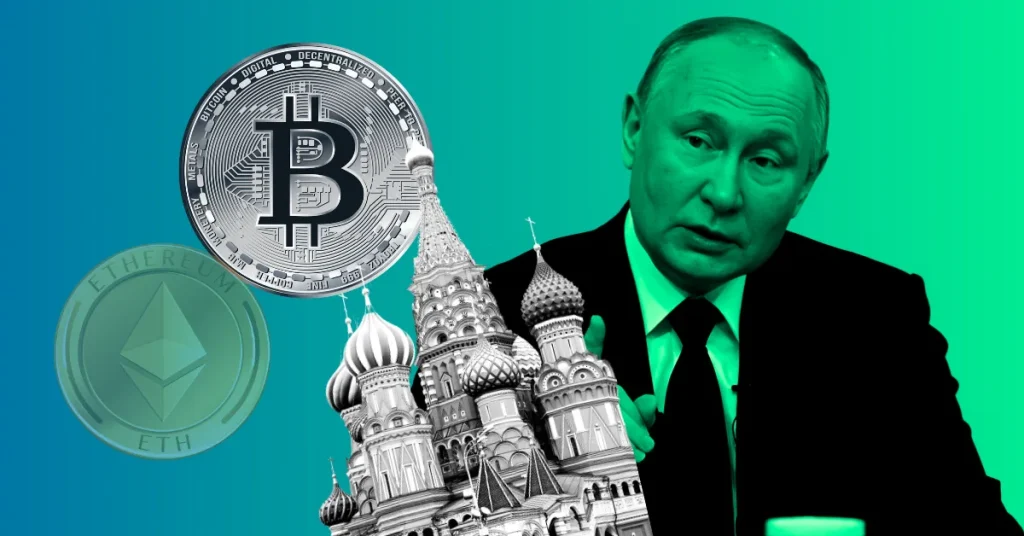
A decree signed by President Alexander Lukashenko now bans individuals from buying or selling digital assets through foreign exchanges or brokers, forcing all activity onto Belarus-regulated platforms. It’s one of the region’s toughest moves yet and it immediately raises the question of whether Russia might take a similar path.
Belarus Pulls Crypto Back Under State Control
The ban targets residents of the High Technology Park (HTP), the country’s main hub for IT and crypto businesses. Only HTP-registered companies can operate exchanges, and the new rules effectively shut down peer-to-peer trading inside Belarus.
The government says the goal is to protect users and curb illicit fund outflows. Most activity already flowed through the HTP system, but this decree makes the country’s direction unmistakable: Belarus wants a tightly contained, fully monitored crypto market.
Will Russia Copy Belarus’ Playbook? Probably Not
Right now, Moscow is heading down a very different track.
After sweeping Western sanctions choked off traditional banking channels, crypto became “indispensable” for keeping trade alive, according to analysts.
President Vladimir Putin has even appeared at events tied to the A7 payments network, which now sits at the center of Russia’s crypto-settlement system.
The A7A5 stablecoin, a rouble-backed token, has processed more than $87 billion in trades since launch. Businesses use it to convert roubles into USDT, enabling international payments.
That’s why shutting Russians off from foreign digital assets isn’t realistic.
Two Very Different Strategies
Belarus is tightening its grip and closing external doors. Russia, pressured by sanctions and shifting trade routes, appears more focused on building controlled channels rather than cutting them off.
For now, the region’s crypto approach is splitting: Belarus is choosing restriction, while Russia is choosing adaptation.